
Lasik Eye Surgery
All the Important Info
-
Complications
(0)Posted on November 15th, 2010ArticlesLasik, a popular vision correction procedure, can help people with vision problems such as nearsightedness, astigmatism and farsightedness. Individuals considering Lasik may be concerned that something will go wrong with the procedure. Vision complications from Lasik surgery correction are very rare. If complications do arise, many can be resolved through additional treatment or surgery.
Although most Lasik treatment procedures are successful, as with any type of surgery there are still risks involved. It has been reported that fewer than 1 percent of patients experience any serious vision problems following the procedure.
Common and less serious complications reported after Lasik eye surgery include:
- Dry Eyes. This can occur after Lasik surgery. If this occurs, your doctor may prescribe artificial tears or dry eye medication.
- Eye Infection. You doctor can prescribe antibotics or anti-flammatory medication.
- Undercorrection, overcorrection or regression. This signifies that the results of your Lasik surgery were less than optimal. There can be different reasons for this problem. You may be able to receive additional treatments to correct the problem.
In rare situations in which Lasik complications occur, it may be related to the creation of a flap in the front covering of the cornea that is lifted during surgery in order to re-shape the eye. The flap is replaced with a bandage. In the case that the flap is not done correctly such as being cut too thin or too thickly, the flap can become irregular and uneven which can lead to complications.
Another complication that can arise is called irregular astigmatism which results from an uneven corneal surface. This can also occur when the laser used in Lasik is not correctly centered on the eye being treated. Symptoms may include double vision or diplopia. This can be treated with additional surgery or enhancements.
Keratectasia or keratoconus occurs when the eye’s surface bulges which is the result of a flap that is cut deep within the eye’s tissue. It can also occur when too much tissue is removed or if the cornea was weakened initially. This can result in distorted vision and cannot be corrected with further laser treatment. Corneal implants or gas permeable contact lenses may be used to hold the cornea in place.
-
Cost
(0)Posted on November 10th, 2010ArticlesLasik surgery is one of the most common vision correction procedures. The technology involved in the procedure has continued to evolve throughout the years and presently there are many options for people in need of vision correction. When considering Lasik surgery, cost is a big concern for many people. Fortunately, there are many options to consider and researching your options before choosing a center can benefit you financially.
Choosing an eye surgeon is a very important decision and it is advised that you do some research before making a choice. To increase the likelihood of good results, you should choose an experienced and reputable doctor. You can try to get a recommendation from your primary health care provider or get referrals from other people who have had surgery. You should also be wary of discount centers advertising extremely low rates because you will most likely get what you pay for and may be sacrificing quality care in an effort to save money.
The cost of Lasik surgery varies and can be influenced by many factors. Some factors that affect cost include your geographical area, the type of technology used, the type of surgical equipment used, the skill and experience of your surgeon, follow-up visits and post operation medications. Below are some helpful tips for choosing a Lasik doctor or center:
- Make sure that the price advertised is consistent with the procedure that you need as well as your prescriptions. Some centers advertise discounts that only apply to situations where the patient needs only minimal surgery or vision correction.
- Be sure to verify that the total cost of the procedure will also include follow up visits. Try to avoid paying extra money for visits that will be required after your surgery. You can do this by checking with the center, doctor or surgeon. Ask them about their policy for returning or calling if you ever experience complications, irritations or an infection.
- Many centers offer installment or a payment plan so that people can afford the procedure. A good center may be able to assist you with an affordable payment plan.
- There may be hidden costs associated with your procedure, especially with centers that advertise very low prices. Make sure that you thoroughly investigate the cost of your procedure before undergoing surgery. New or better technology may make the price higher.
With the popularity of vision correction surgery, there are so many options for consumers to choose from. You may find yourself bombarded with a wide variety of Lasik centers and doctors. It is important to thoroughly investigate any provider before making a decision so that you can receive the best care and treatment.
-
After Lasik Surgery and Recovering
(0)Posted on November 5th, 2010ArticlesAfter Lasik Surgery and Recovering
Lasik eye surgery is one of the most popular vision correction procedures. The recovery is quick and most patients notice improvements in vision within a few days after surgery. Working together with your doctor will make the healing and recovery process successful. Understanding what to expect during and after surgery can also benefit you.
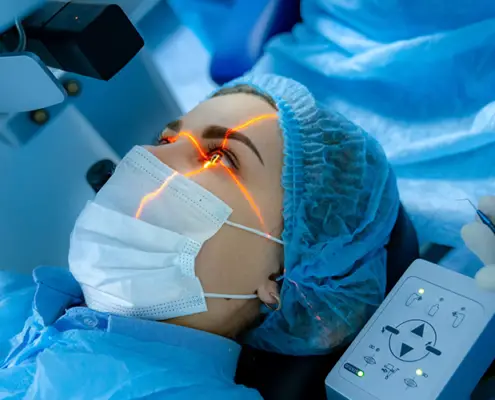
Lasik is a surgical outpatient procedure that is used to treat nearsightedness, astigmatism and farsightedness. During Lasik surgery, an ophthalmologist uses a laser to treat and reshape the corneal tissue within the eye. Ophthalmologists use an excimer laser which emits highly concentrated ultraviolet (UV) light. When undergoing Lasik surgery, the patient is usually awake and can be given a mild sedative and local anesthesia.
During the procedure the ophthalmologist cuts a thin flap in the cornea of the eye. It is then peeled back and the underlying tissue is then reshaped. Once this is done, the cornea is able to properly process light into the eye and retina. The cornea flap will then be put back into place to complete the surgery.
Lasik eye surgery recovery usually occurs quickly and most patients notice an improvement in vision within a few days after having undergone surgery. You may experience blurred and hazy vision after the first day and therefore it is advised to arrange for someone to drive you home after Lasik.
Dry eyes are common after having Lasik surgery. Your doctor will most likely give you a prescription for eye drops to help prevent any infection and too keep your eyes moist and lubricated. Specific instructions after the procedure vary from doctor to doctor so it is important to follow up with any doctor visits immediately afterwards.
Patients may also experience eye irritation after completing the procedure. A normal reflex is to rub the eyes, however this can cause further irritation. In rare cases, a patient’s eyes may become infected. Most doctors can prescribe an antibiotic to be used during the first couple of weeks after the surgery. It is important to follow your doctor’s instructions for recovery after having surgery. If you do experience an infection or irritation, you should consult your doctor immediately.
-
Post Follow Up
(0)Posted on October 31st, 2010ArticlesYour doctor will want to monitor your progress with Lasik so be prepared for some post-surgery visits. Expect to return to your doctor within the first 24-48 hours after your surgery. You may have additional visits after this for the next six months.
Most people who undergo Lasik surgery have good results. It is important to understand what is involved in Lasik before making a decision to have the procedure done as it can be costly and there are some risks involved. Do your research before making choosing a doctor or center and ask questions.
-
Serious Complications
(0)Posted on October 28th, 2010ArticlesIn rare situations in which Lasik complications occur, it may be related to the creation of a flap in the front covering of the cornea that is lifted during surgery in order to re-shape the eye. The flap is replaced with a bandage. In the case that the flap is not done correctly such as being cut too thin or too thickly, the flap can become irregular and uneven which can lead to complications.
Another complication that can arise is called irregular astigmatism which results from an uneven corneal surface. Symptoms may include double vision or diplopia. This can be treated with additional surgery or enhancements.
-
Complications and Possible Side Effects
(0)Posted on October 25th, 2010ArticlesIt has been reported that fewer than 1 percent of patients experience any serious vision problems following the procedure. Common and less serious complications reported after Lasik eye surgery include dry eyes which can occur after surgery, eye infection which can be treated with antibiotics or Under-correction, over-correction or regression which signifies that the results of your Lasik were less than optimal. There can be different reasons for this problem. You may need to have additional treatments to correct the problem.
-
After Surgery
(0)Posted on October 21st, 2010ArticlesYou may need follow-up visits so that your doctor can examine your healing and monitor your vision improvement. If you did not experience your desired results, your doctor may prescribe further retreatment.
-
Before Surgery
(0)Posted on October 18th, 2010ArticlesYour doctor will give you a thorough exam to determine what your specific vision issue is and what treatment would be best for you. During this pre-surgery exam you should discuss your daily activities including work and leisurely activities with your doctor since certain types of activities do not go well with Lasik.
Some of the things you should discuss with your doctor include: your past and medical as well as eye condition, medications you are taking, what to expect during and after surgery, any risks involved and potential follow-up visits.
You should arrange for someone to transport you to and from your surgery. Your doctor may give you some medication to help you relax on the day of your Lasik procedure. Since this medicine impairs your ability to operate a vehicle and because it can cause blurred vision, you should make sure someone can drive you home after the procedure.
-
Payment Plans
(0)Posted on October 17th, 2010ArticlesSince Lasik surgery can be costly, many centers provide payment plans. Do some research on which centers or doctors have a flexible payment program.
-
Cost Factors
(0)Posted on October 13th, 2010ArticlesLasik surgery is typically not covered by most insurance companies so you will have to pay for it out of pocket. The cost can vary from $1500 – $3000 per eye. The factors that influence the cost of Lasik include your geographical area, the type of equipment and technology used, the type of surgical equipment used, the skill and experience of your surgeon, follow-up visits and post operation medications.
While choosing a provider, you should verify that the total price of your Lasik surgery will also include follow up visits. Ask them about their policy for returning or calling if you ever experience complications, irritations or an infection.